Workplace Lighting and Power Solutions in Orange County
The method an office is lit and powered identifies more than energy costs. It forms how people feel at their desks at 4 p.m., how well the financing group checks out small print, whether a hybrid conference runs cleanly, and how the structure handles a summer season blackout when the grid is strained. In Orange County, the choices carry local flavor. Title 24 energy code drives control strategies, coastal glare takes on afternoon sun, and many cities move quickly on tenant improvements if your strategies are total. A clever style balances code, usefulness, convenience, and resilience.
What makes Orange County workplaces different
Bright skies, long cooling seasons, and a heavy mix of tech and professional services all influence the design quick. Lots of offices have ribbon windows or complete glass walls facing west. That brings generous daylight and, without a plan, brutal afternoon contrast. Excellent lighting style couple with shading and sensors to harness the sun when it assists and back it off when it does not. On the power side, the typical Orange County suite blends dense IT loads, open partnership zones, and a few specialty areas like maker laboratories, wellness rooms, or content studios.
The structure stock covers 1970s low rise campuses to new core-and-shell towers. The older buildings typically have tired fluorescent troffers, restricted circuit capability in tenant panels, and aging emergency situation lighting that just meets minimums. The more recent shells tend to support modern-day controls and demand reaction, but still require cautious commissioning to prevent a stunning system that irritates residents due to the fact that it turns off at the wrong time.
When a local electrician knows the area, allows relocation quicker and the punch list shrinks. A licensed electrical contractor in Orange County will acknowledge patterns that show up repeatedly: Title 24 acceptance testing checkpoints, energy meter requirements, and how to path circuits cleanly through tight above-ceiling plenums in Class An offices without overfilling trays.
Start with a clear picture: evaluation and load study
Before selecting components, stroll the space with intent. I carry a light meter, clamp meter, and a notepad with a map of the suite. The very first pass checks glare at workstations, footcandle levels in conference rooms, color mismatch from previous patchwork lamp modifications, and hotspots on screens. In offices with old T8 or T12 fluorescents, you can frequently see unequal light levels and a faint flicker that some people feel as eye strain.
A load research study tells a parallel story in amps and volts. We determine panel loading throughout a typical workday, during a cleansing shift when vacuums include need, and when the server rack is under load. Lots of suites look fine at noon, then trip a breaker at 7 p.m. When a janitorial group plugs several floor devices into the same circuit that feeds copiers and a kitchen space. Because case, the repair is not simply a heavier breaker. It is a circuit rebalancing, a few brand-new homeruns, and in some cases a little electrical panel upgrade for the renter space.
Code and security set guardrails. For business occupancies, GFCI defense is needed in break spaces and wet locations. AFCI is not typically needed in standard office branch circuits in California, but some jurisdictions inspect particular use cases. A regional electrical expert in Orange County can validate what your city implements and what plan checkers look for.
Light where individuals need it, not just where the ceiling allows
Many retrofits duplicate the exact same layout the space acquired, which is a missed out on chance. Start with jobs and sightlines. In open workplaces, aim for a soft ambient base in the 25 to 35 footcandle range, then layer task lighting to bring desks up to 35 to 50 where needed. Conference rooms benefit from dimmable components with a minimum of two zones: table location and perimeter. Discussion modes should drop ambient levels and avoid lighting that washes out screens. Corridors do well with even, modest lighting that does not intrude into work areas.
Fixture selection matters more than a spec sheet recommends. For general lighting, flat panel LEDs prevail, but backlit panels usually provide more harmony and less glare than edge-lit versions. Linear pendants over benching can be classy if you keep Unified Glare Ranking in check with diffusers and avoid direct sightlines to the LEDs. For color, 3500 K reads warm-neutral and tends to flatter skin tones without looking orange. 4000 K feels crisper and works in heads-down areas or labs. Many Orange County workplaces settle on 3500 K tunable to 4000 K for flexibility.
High color rendering counts for areas where product groups inspect products, marketing shoots content, or medical professionals examine imaging. Look for CRI in the mid 90s just where it adds value. In most offices, CRI 80 to 90 with good spectrum balance is great and minimizes cost.
Accent lighting has a place if it is restrained. A small number of wall grazers on textured finishes or discrete downlights over an entry lobby set a tone without driving up watts. Recessed lighting in Orange County workplaces typically originates from a previous build. If you keep it, confirm trims still seat tight and air sealing is intact.
Controls that play good with individuals and with Title 24
California Title 24 energy requirements form the control strategy. Workplaces need automated shutoff controls and location controls that support several light levels. Smaller enclosed workplaces typically need job sensing units that turn lights off when the space is empty, and manual on when somebody goes into. Open offices and large meeting room need a mix of time scheduling, tenancy sensing, and daylight-responsive dimming near windows.
Daylight zones deserve attention in Orange County since they often overperform. South and west exposures can drive dimming deep into the space. Goal daylight sensors away from direct sun and set trims during various times of day. People will forgive a light that is a little conservative on conserving energy more than a light that dims unexpectedly throughout a crucial meeting.
Lutron, Skill, Cooper, and others all offer systems that meet code. Wireless controls speed occupant improvements when the ceiling grid is tight or your timeline is brief. Hardwired controls stay king in big, long-term areas, particularly where IT departments desire less wireless gadgets. Demand response ability is needed for many nonresidential tasks. Talk early with your Orange County electrical contractor about utility program enrollment so you do not scramble later to reveal a signal path during acceptance testing.
Scenes help more than some groups expect. A single wall station with four buttons identified Focus, Collaborate, Present, and Clean make good sense to anybody. Put the clean mode at 100 percent and somewhat cooler color, and set present mode with lower ambient and intense job light at the speaker wall. That method satisfies code, minimizes grievances, and feels intentional.
Power that supports contemporary work
Behind every attractive light plan is a power circulation that remains cool and predictable. Many older suites run lighting and receptacles from the very same little panel. After a lighting retrofit to effective LEDs, the panel may look like it has headroom. Then the tenant doubles monitors, adds docking stations, two printers per department, and a podcast cubicle. The neutral can end up being the limiting aspect due to the fact that modern-day electronic loads inject harmonics. In workplaces with thick IT, think about K ranked transformers and a large neutral bus. Keep multiwire branch circuits paired properly to prevent overheating.
Office kitchen areas and break areas require dedicated circuits for microwaves, dishwashers, and coffee machines with clear labeling. Makerspaces or laboratory corners need separated grounding if delicate instruments require it. For audio and material spaces, a clean ground recommendation and surge security lower hum and secure gear.
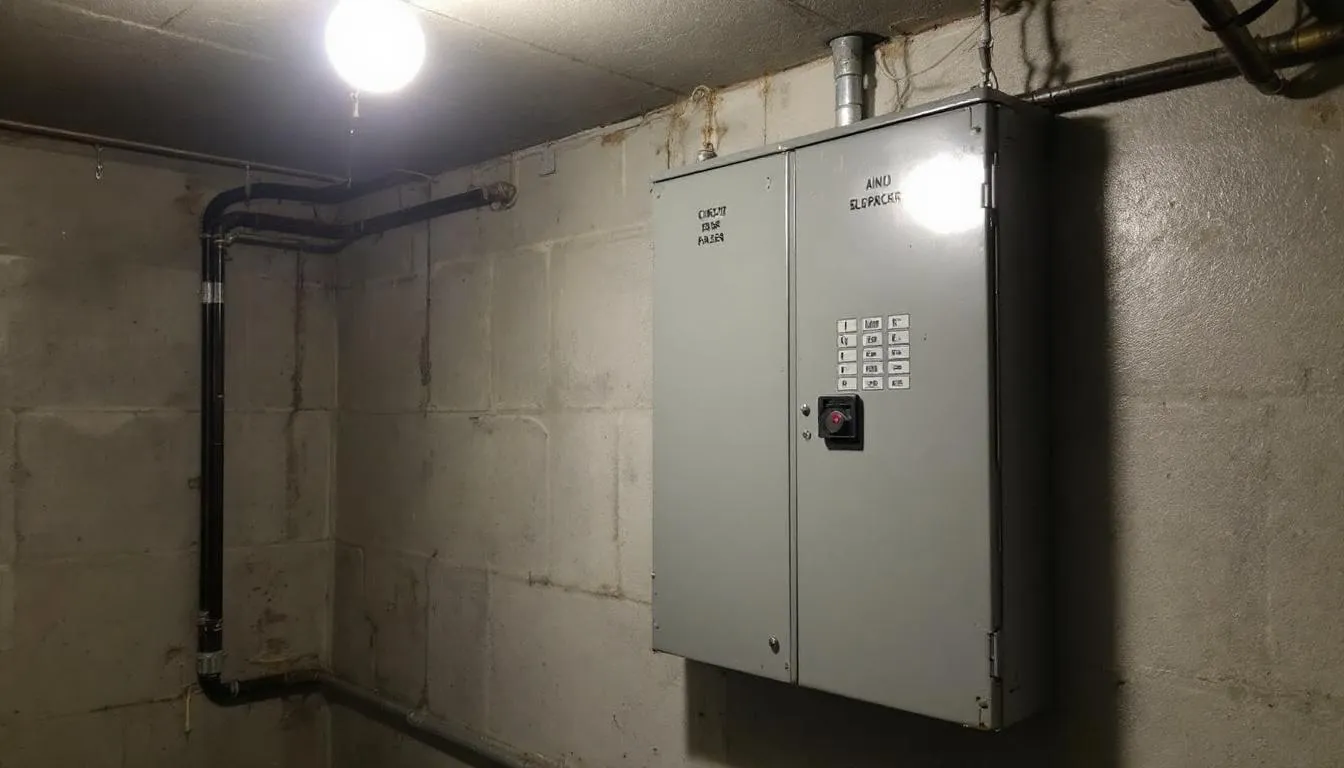
Panel replacement in Orange County suites prevails when the existing equipment is outdated or lacks extra areas. Upgrades should consist of clear as-built documentation. The best job binders I have provided consist of upgraded panel schedules, circuit directory sites with plain language, and a one-page one-line diagram laminated and mounted inside the electrical room door. It conserves hours in a future outage.
Smart structure combinations appear more as groups embrace room reservation and occupancy analytics. Low voltage circuitry in Orange County offices frequently carries PoE for gain access to points, VoIP phones, security cameras, and in some cases PoE lighting in little zones. PoE lighting can work in focused areas like meeting room if IT and centers agree on who owns it. For bigger floorings, conventional line voltage with networked controls still scales much better, and electrical contractors and controls techs can service it quickly.
Backup, egress, and resilience
Egress lighting is not optional. Code needs that courses of egress keep minimum illumination for a set duration during a power failure, commonly 90 minutes. That is attained with battery backed exit indications, emergency situation drivers in select components, or a central inverter. Dispersed batteries are basic to install however need regular replacement. Central inverters centralize maintenance and can feed numerous fixtures cleanly, however they take area and needs to be sized correctly. In any case, emergency circuits ought to be unmistakable at the panel.
For organization connection, many Orange County offices install a UPS in the IT closet. A line interactive or double conversion UPS buys minutes to hours for network equipment. If your work can not stop briefly, a standby generator becomes a conversation. Workplace towers typically have base structure generators for life security just. Occupant supplemental generators need proprietor approval, structural review for roof positioning, and coordination with the air district.
Here is a quick comparison many groups discover useful.
- UPS: Instant transfer for sensitive equipment, runs minutes to hours depending upon size, peaceful, indoor, foreseeable upkeep, no emissions on site.
- Generator: Longer runtime with fuel, supports bigger parts of the office including a/c, requires permits and regular load screening, audible outdoors, emissions and refueling logistics.
Do not neglect transfer switches. An effectively defined automatic transfer switch safeguards both individuals and devices and streamlines monthly tests. Emergency situation electrical contractor services in Orange County often arrive to find a manual transfer cobbled together years back. That is a risky shortcut. A leading ranked electrical expert in Orange County will size and interlock devices so no backfeed can damage energy crews.
Tenant enhancements and permitting that do not bog down
Most Orange County cities reverse non-prescription authorizations for small lighting tasks when drawings are total and code notes are clear. For larger TI plans, plan checks usually run two to 4 weeks per cycle. Irvine and Anaheim are normally effective if submittals fulfill Title 24 documentation standards and include approval test forms. Santa Ana often requests additional detail as needed response. Strategy early for an electrical inspection window that does not collide with furniture deliveries.
A great Orange County electrical contractor will coordinate with the general specialist, lighting vendor, and controls integrator. We prefer a single point of accountability for lighting controls to prevent finger pointing at start-up. Controls approval testing in California is its own discipline. It pays to book the tester early and make sure sequences are recorded in plain language.
Three field stories from regional projects
An innovative company in Costa Mesa worked under pendant lights that looked like a publication spread and seemed like a dental practitioner exam. The grievance was headaches and constant squinting. The repair was not to dim internationally. We changed the high output LED boards with lower lumen boards, included diffusers with better cut-off, and re-aimed a couple of accents. Then we rebuilt the control scenes so the default sat at 45 percent instead of 75. Energy came by about 35 percent, and the creative director stopped bringing a baseball cap to meetings.
A biotech renter in Irvine had a clean panel schedule on paper and annoyance trips in reality. After logging, we saw spikes at 6 p.m. When the structure janitorial crew plugged 2 burnishers and a vacuum into a single quad in the corridor. Branch circuits were near their limit currently, and harmonics from lab gadgets did not assist. We ran two new devoted circuits to the passage receptacles, rebalanced loads across phases, and included clear labels that janitorial could comprehend. The journeys ended. The expense stayed under 5 figures since we did not need to pull a full feeder or change the panel.
A monetary company in Newport Beach wanted to host customers throughout peak summer afternoons without rolling down blackout tones. The glare off the ocean made it rough. We added ceiling-integrated indirect lighting to raise ambient light levels, swapped glass coverings to a slightly higher noticeable light transmission with much better solar control, and tightened up daytime sensing unit tuning to avoid biking. The group kept the view and stopped fighting the sun on screens.
Exterior and parking lot are worthy of equivalent attention
Outdoor lighting for entries, sidewalks, and parking needs to balance security with neighborly light control. Full cutoff components keep light on your residential or commercial property and line up with dark sky concepts. Color temperature around 3000 K to 3500 K looks welcoming without a blue cast. For multifloor workplaces with balconies or terraces, shielded fixtures prevent spill into indoor spaces. Tie exterior lighting into a trustworthy astro-clock scheduler with seasonal examinations to avoid 5 p.m. Darkness in winter.

EV battery charger setup in Orange County workplace parks has surged. A couple of well put Level 2 battery chargers serve workers and visitors and can be incorporated with load management to prevent a service upgrade. Coordinate early with the utility and verify you have area in switchgear. If the structure plans for more chargers later on, a conduit stub out saves future demolition. Electric car battery charger setups that need trenching throughout hectic lots are best dealt with during off hours with clear traffic plans.
Budgeting, ROI, and what numbers look like
Lighting retrofits normally cut lighting energy 40 to 60 percent, and controls include another 10 to 20 percent, depending on the standard. Basic relamp-and-replace tasks for small suites run in the low five figures. Full TI jobs with new fixtures, controls, and panel work can stretch into 6 figures for mid size floorings. Energy incentives ebb and flow, but it is common to see rebates that cover 5 to 15 percent of project expenses for qualified LED and control measures.
Panel upgrades vary commonly. Switching a small occupant panel with minimal drywall work can being in the 5 to 10 thousand range. Adding a brand-new feeder, coring slabs, or upsizing service equipment climbs quickly. A generator task for a mid rise occupant, including rooftop placement, structural steel, fuel system, and allowing, frequently lands in the high five to low 6 figures. A UPS for a server rack might be a couple of thousand set up, while a room scale UPS can be tens of thousands.
Maintenance budgets need to include battery replacements for exit indications every 3 to 5 years, routine sensing unit recalibration, and predictive checks like thermal imaging on panels once a year. Small issues caught early avoid Monday early morning contacts us to an emergency electrical expert in Orange County.
Choosing the ideal expert for the work
Credentials, experience, and responsiveness matter. The least expensive bid can become the most expensive if the team stumbles throughout evaluations or drags out punch lists. Utilize this fast list when you speak with firms.
- Confirm you are hiring a certified electrician in Orange County with current insurance coverage and OSHA training.
- Ask for 2 current office TI referrals with comparable code scope under Title 24, not just storage facility or retail jobs.
- Review a sample set of as-builts and panel schedules from a prior project to evaluate documentation quality.
- Clarify who deals with controls programs, approval screening, and owner training so absolutely nothing fails the cracks.
- Test response time by asking how they handle after-hours calls. A 24 hr electrical expert in Orange County is not a high-end when a failure strikes before a board meeting.
Local existence assists. If you look for an electrical contractor near me in Orange County, you will discover a mix of residential and industrial electrical contractors. For workplace work, focus on an industrial electrical expert in Orange County or a shop that runs both residential and business teams with devoted job managers. The best electrical contractor in Orange County for your project is the one who can show how they will handle permits, coordinate with facilities, and communicate clearly.
Smart upgrades that feel human, not gimmicky
Tunable white lighting has actually developed. In open workplaces, a mild shift from 3500 K in the morning to 4000 K midday and back to 3500 K late afternoon can support convenience without sensation theatrical. Keep the modification slow and subtle. Occupants should not observe individual jumps. App control sounds attractive, but wall stations with labeled scenes reduce friction. Smart home electrical wiring methods adjusted to the workplace can be useful when including occupancy data and incorporating with reserving systems, but defend against positioning control of important lighting behind an IT change ticket.
Sensors serve people best when they are not apparent. Position ceiling sensors to prevent blind spots behind tall screens. Door jamb sensing units in small workplaces work well, however prevent them on glass doors where ambient light can puzzle the reasoning. Low voltage electrical wiring for sensing units and controls must be clearly labeled and separated from power conductors to avoid interference.
Safety, testing, and what takes place when things go wrong
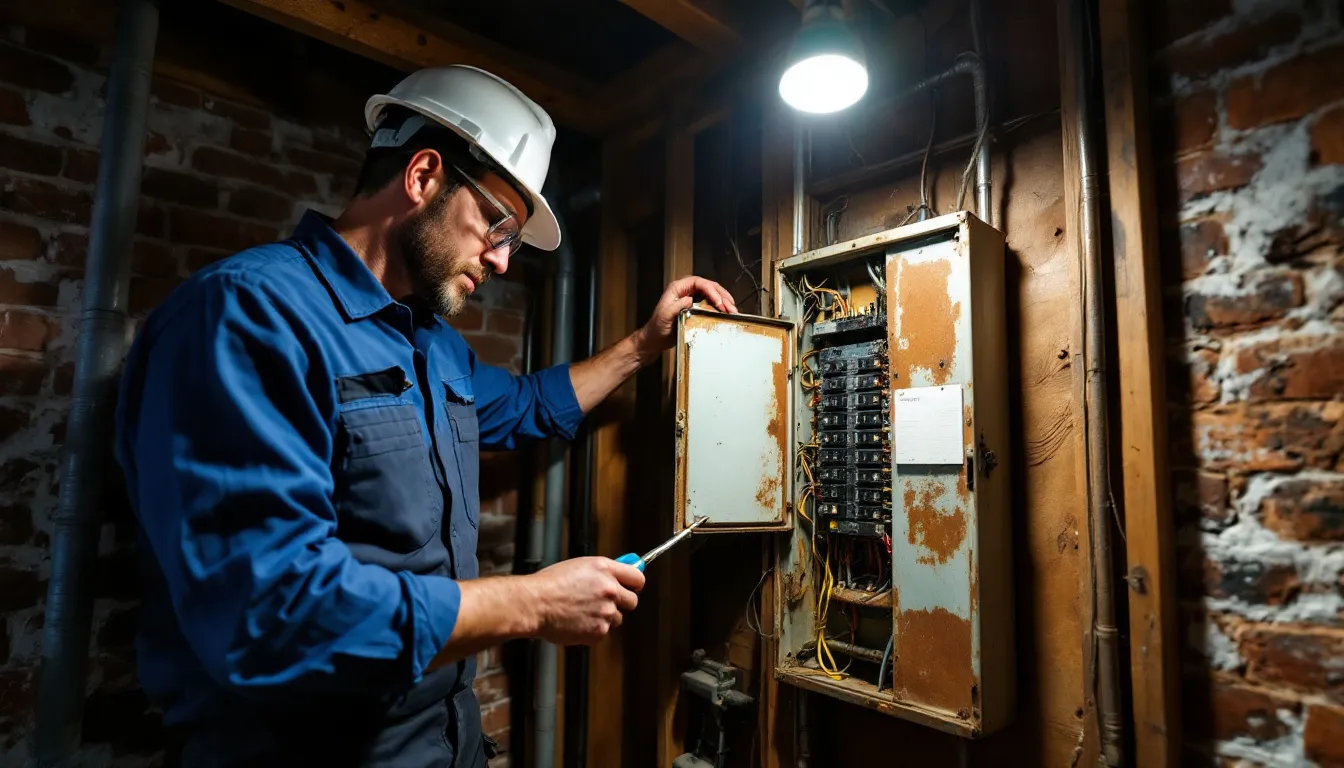
Even a well created system needs commissioning and a plan for the unanticipated. We like to set up a burn-in night during which lights run a full cycle with sensors active, while we stroll the floorings to catch false offs and bright spots. Power systems get torque look at lugs, IR scans under common loads, and breaker trip testing in a regulated series when possible.
Electrical troubleshooting in Orange County workplaces typically revolves around intermittent faults. A neutral shared improperly on a multiwire circuit, a worn out ballast left in a hybrid retrofit, or a misaddressed control device can develop ghosts. An exact same day electrical expert in Orange County who shows up with a meter, a strategy, and the patience to trace circuits will earn their keep in an hour.
Generator testing should be routine and logged. A regular monthly no-load test checks starting, however a quarterly or semiannual load test is more honest. Run long enough to bring temperature levels up. View voltage and frequency stability as loads action. Keep exhaust clear and next-door neighbors informed. In beach-adjacent locations, salt air speeds up deterioration. Budget plan for additional inspection of enclosures and terminations.
Working within existing constraints
Not every task can open the ceiling or move walls. When a client in a historic low rise in Orange tossed us a no-core-drill guideline, we leaned on surface https://manuelmptn205.swiftnestly.com/posts/warehouse-power-distribution-and-busway-orange-county area raceway painted to match, wireless controls, and selective fixture replacements. The biggest improvement originated from redistributing lighting to align with real desks, not the old grid. Another customer in a high rise had strict limitations on after-hours work. We sequenced by quadrants, kept momentary lighting all set, and briefed security so no one shut us down at 2 a.m.
Across projects, the principle holds: style to the truth of the space and individuals who use it, then add just enough technology to keep energy in check and uptime strong.
Where residential skills still help
Some Orange County stores cut their teeth as residential electricians and now run industrial crews. That background can be valuable for small private offices searching for ceiling fan installation in break locations, or for executives who want high end property levels of finish in a suite. Whole home rewiring experience equates into clean wire management and respect for surfaces throughout occupant enhancements. That stated, workplace work lives under different codes and approval guidelines. Ensure the team is fluent in nonresidential Title 24 and has current office references.
If you require small occupant fixes, like outlet installation for included workstations or a quick lighting setup in a converted phone cubicle room, a regional electrical contractor in Orange County with both residential and industrial depth can be a practical choice. For big tasks, a commercial-first contractor stays the better bet.
Final ideas worth acting on
Good workplace lighting and power in Orange County is equal parts code literacy, style sense, and field workmanship. The goal is simple: a space that looks right at 8 a.m. And 8 p.m., keeps individuals efficient, reduces demand charges, and trips through small disruptions without drama. An Orange County electrician who listens, walks the space with you, and explains trade-offs clearly will deliver that result more dependably than any catalog.
If you are gazing at flicker, hot panels, strange journeys, or a conference room that seems like a cavern, the course forward is not guesswork. Start with a walkthrough and load research study. Focus on lighting scenes that match how your group in fact works. Strategy manages with Title 24 in mind from day one. Where power is thin, think about a targeted electrical panel upgrade in Orange County instead of a patchwork of power strips. And when strength matters, choose between a UPS and generator with eyes open to maintenance, noise, and permits.
The benefit shows up in quieter assistance tickets, happier eyes at the end of the day, and an electrical system your facilities group can describe without a binder. That is the mark of a space constructed well and maintained by pros, from the first component to the last breaker.